For many of us, coffee and the garden already go hand in hand.
It's the first cup of the morning before heading outside. The one left going slightly cold while you get distracted by a plant that suddenly needs attention. Or the well-earned coffee you finally sit down with after an afternoon of planting, pruning and getting far more soil under your fingernails than you intended. And after the dry, hot weather we've had lately, there's probably been a fair amount of standing around with a watering can involved too.
Our gardens might be looking a little thirstier than usual, but there's something about that first coffee outside that still makes everything feel slightly better.
But once the cup is empty, what happens to the coffee?
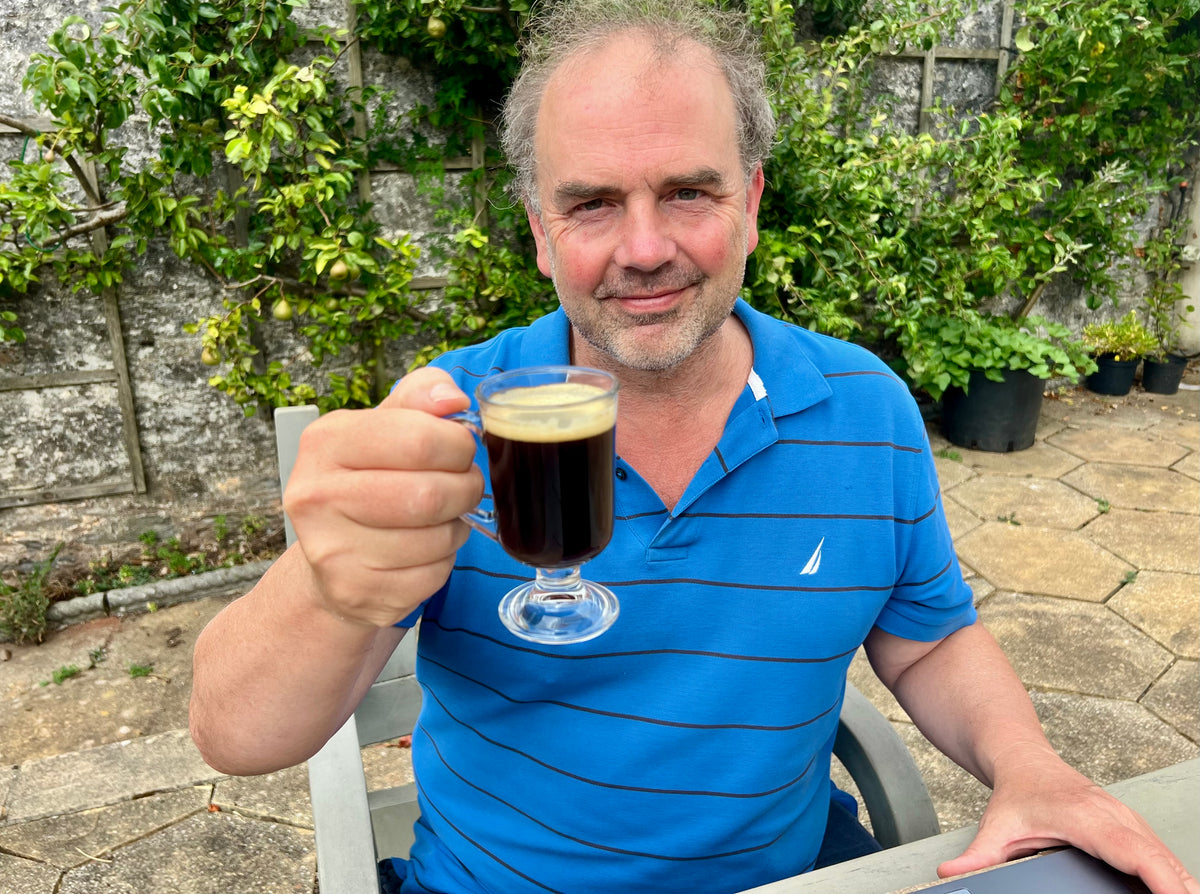
For garden writer, Sunday Times bestselling author and passionate advocate for the outdoors Simon Akeroyd, thinking about what happens next comes naturally. And it’s one of the reasons his relationship with CoffeeB makes so much sense. You can read more about our full partnership with Simon, including why he chose CoffeeB and his experience so far on our Simon Akeroyd × CoffeeB page.
Can You Compost Coffee?
The short answer is: yes, used coffee grounds can be composted.
If you're already a gardener, there's a good chance you're used to looking at things slightly differently anyway. Kitchen scraps become compost. Cuttings go back onto the heap. Fallen leaves suddenly become useful rather than something else to clear up.
Coffee grounds can become part of that cycle too. But if your morning coffee comes from a traditional single-serve system, there's normally something else left behind: the pod. And that's where CoffeeB does things a little differently.
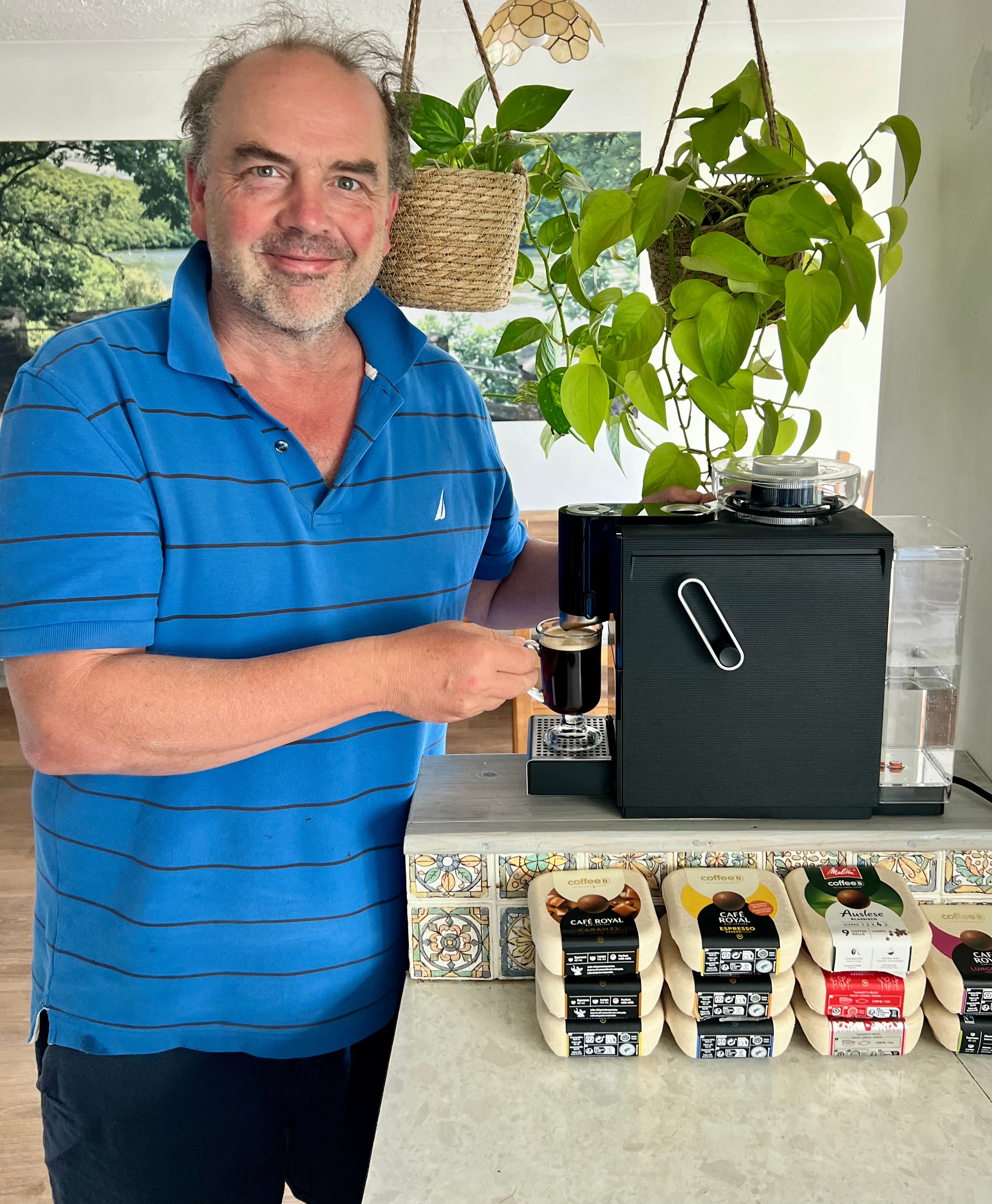
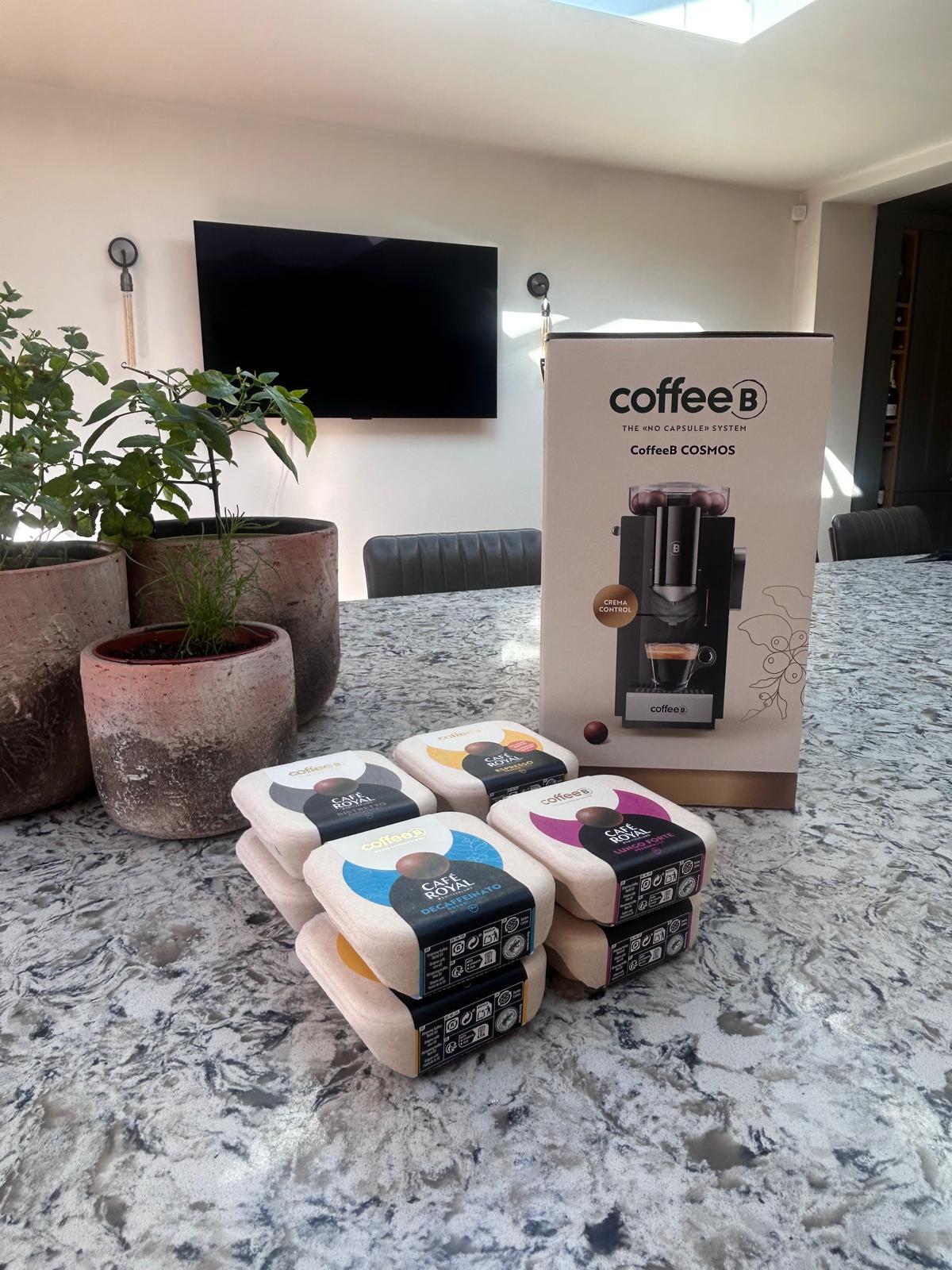
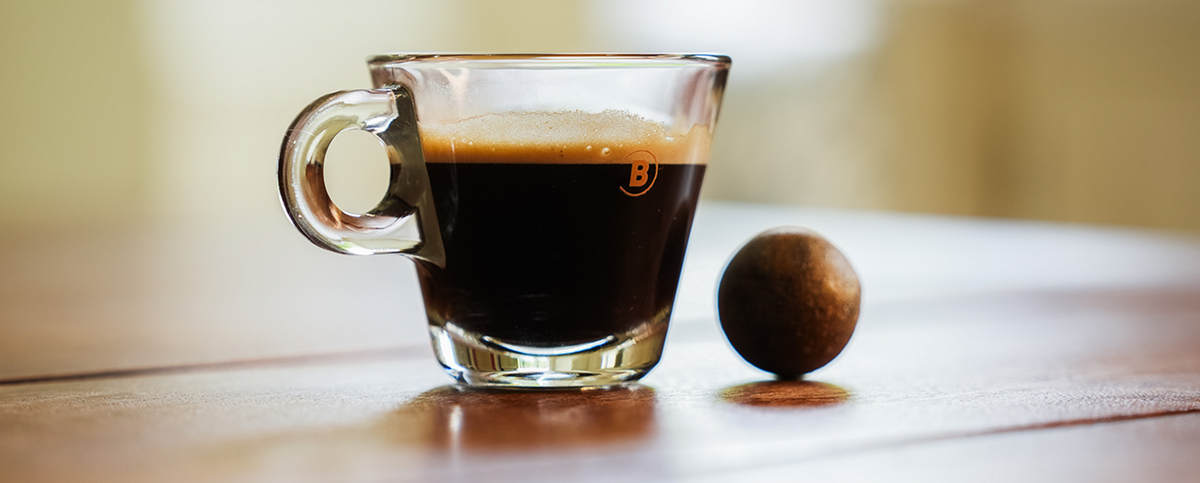
Instead of putting ground coffee inside a plastic or aluminium capsule, CoffeeB uses a Coffee Ball – ground coffee held together by a thin, plant-based protective layer. Once your coffee has been brewed, the whole used Coffee Ball can go into your garden compost or food-waste collection. No empty plastic pod.
No aluminium capsule. Just the remains of your coffee ready for whatever comes next.
From Cup to Compost
Gardeners understand cycles better than most.
You grow something. You cut it back. Leaves fall. Plants finish flowering. The compost heap gets fuller and, eventually, all that material finds its way back into the garden again.
There's something quite satisfying about it. Very little has to be the end of the story. It's something Simon has spent decades encouraging people to think about – making the most of what we have and working with nature rather than constantly against it.
CoffeeB brings a little of that thinking to something millions of us do every morning.
You make your coffee.
You enjoy it.
And rather than being left holding another empty pod, the used Coffee Ball can simply begin its next journey. From coffee, to compost, and back to the garden. Not bad for something that started the morning next to the kettle.
A Gardener's Approach to Everyday Waste
Sustainability can sometimes sound like a list of enormous things we're all supposed to change overnight. Gardening tends to teach you the opposite.
It's usually the little things. Growing a few herbs rather than buying another plastic packet. Leaving one corner of the garden slightly untidy because the wildlife rather likes it that way. Keeping the clippings for the compost heap. And, particularly after a spell of hot weather, accepting that your evening plans may involve a watering can and a garden full of plants looking rather unimpressed with you.
None of those things feels revolutionary. But that's sort of the point. Small habits become normal habits. And that's one of the things Simon recognised in CoffeeB.
It's not about giving up the convenience of making a great coffee at home. It's simply asking whether all the waste we've traditionally accepted alongside that convenience actually needs to be there.

Coffee Balls: Coffee Without the Traditional Pod
CoffeeB began with one fairly simple question: What if single-serve coffee didn't need a pod at all?
The answer was the Coffee Ball.
Each one contains ground coffee protected by a micro-thin, plant-based layer that helps preserve its freshness and aroma until you're ready to brew it. There's no traditional plastic or aluminium capsule surrounding it. And when you've finished your coffee, the used Coffee Ball is garden compostable. So that little morning ritual doesn't have to finish with another empty pod heading towards the bin.
For someone who spends much of his life growing, planting, composting and thinking about the natural world, you can probably see why the idea caught Simon's attention.
Can Used Coffee Balls Go in the Garden?
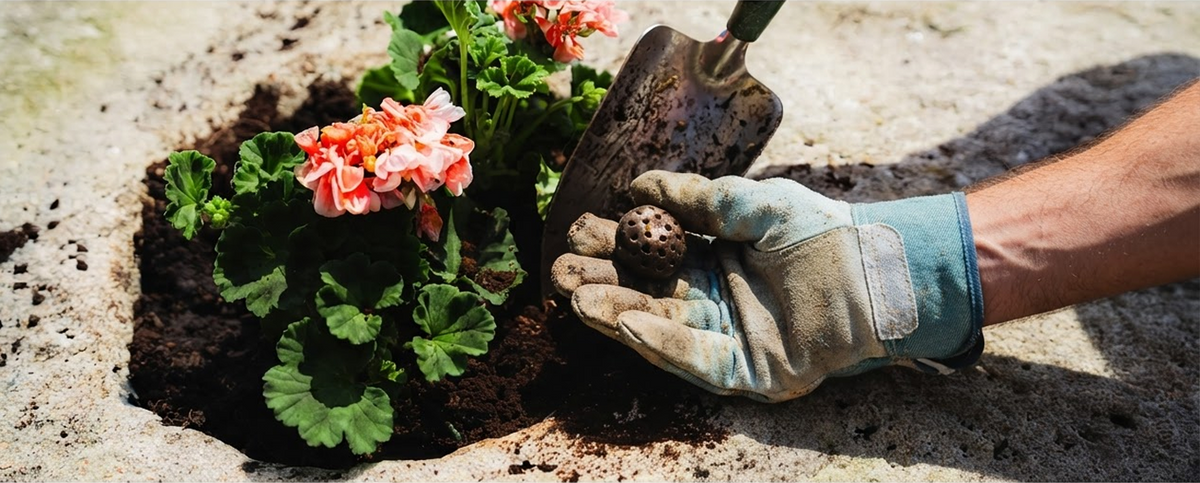
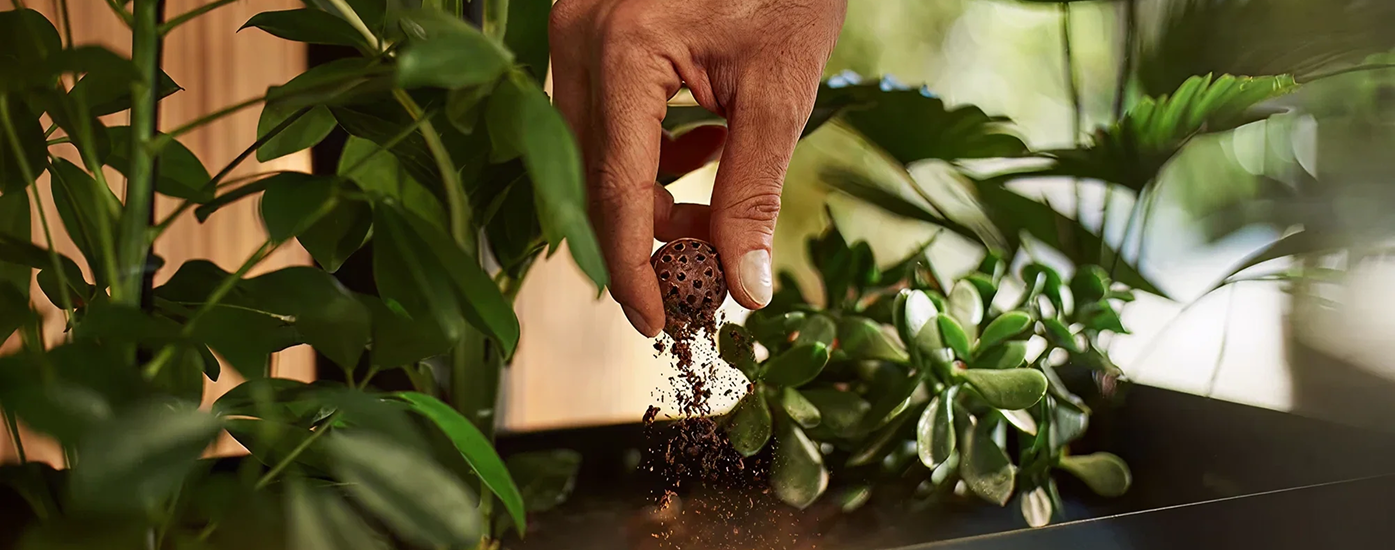
Used Coffee Balls can be added to your home garden compost or placed in your food-waste collection, where available. Simon has even been experimenting with another way of bringing them into his gardening routine. His tip? Crumble the used Coffee Balls and add them to a watering can.
Considering how much time many of us have spent attached to a watering can lately, that's rather good timing. It's also a very Simon way of looking at things.
Not simply: How do I get rid of this?
But: What can I do with it next?
And that probably sums up why we enjoy working with him so much. CoffeeB and Simon aren't connected simply because he happens to enjoy coffee. There's a shared way of looking at things: appreciating what we have, thinking about what happens next and finding small, practical ways to live a little more closely with nature.
Small Rituals. Better Choices.
There is something wonderfully simple about having a coffee in the garden. Five quiet minutes before everyone else is awake. A break halfway through a job you were convinced would “only take an hour”. Or finally sitting down in the evening after watering everything – only to notice the one pot you somehow managed to miss.
CoffeeB isn't here to change those rituals. We rather like them. It's simply about looking at whether some of the things we use every day could work a little differently.
A single-serve coffee doesn't necessarily need a plastic or aluminium pod. Convenience doesn't have to mean unnecessary packaging. And finishing your coffee doesn't necessarily have to mean creating another piece of waste.
Sometimes a better choice really can be that small.
Even as small as a Coffee Ball.
From Our Coffee to Your Garden
Working with Simon has given us another way of looking at something we've always believed: what happens after you've enjoyed your coffee matters too. For Simon, the garden is somewhere things are constantly being reused, regrown and returned to the earth. For us, that thinking sits naturally alongside why CoffeeB was created in the first place.
Perhaps that's why the partnership has never felt forced. It isn't about changing the way you live. It's about finding better ways to enjoy the things you already love. Great coffee. Time outdoors. A garden that's hopefully survived the latest spell of British weather. And a few small choices along the way.
Discover Simon Akeroyd × CoffeeB
We're incredibly proud to be working with Simon and to see CoffeeB becoming part of his life in the garden. Read more about our full partnership with Simon, including why he chose CoffeeB, his experience with the system and the exclusive collaboration we've created for his community.
Discover Simon Akeroyd × CoffeeB
We're incredibly proud to be working with Simon and to see CoffeeB becoming part of his life in the garden. Read more about our full partnership with Simon, including why he chose CoffeeB, his experience with the system and the exclusive collaboration we've created for his community.
Can You Compost Coffee Grounds?
Yes. Used coffee grounds are organic material and can be added to a balanced home compost mix alongside other compostable household and garden materials.
Are CoffeeB Coffee Balls Compostable?
Yes. Once brewed, used CoffeeB Coffee Balls are garden compostable and can be added to your home garden compost or an appropriate food-waste collection.
Can You Use Coffee Grounds in the Garden?
Used coffee grounds can form part of a balanced compost mix. Simon Akeroyd has also been experimenting with crumbling used Coffee Balls into a watering can as part of his own gardening routine.
What Are CoffeeB Coffee Balls Made From?
CoffeeB Coffee Balls contain ground coffee protected by a micro-thin, plant-based protective layer. This replaces the traditional plastic or aluminium capsule used by many single-serve coffee systems.
What Is the Difference Between a Coffee Ball and a Coffee Pod?
A traditional single-serve coffee pod or capsule contains coffee inside plastic or aluminium packaging. CoffeeB removes the traditional capsule and instead protects the ground coffee with a thin, plant-based layer, creating a pod-free single-serve coffee system.
Why Has Simon Akeroyd Partnered With CoffeeB?
Simon Akeroyd partnered with CoffeeB because of the natural connection between his approach to gardening, nature and sustainability and CoffeeB's pod-free coffee system. As a gardener, author and broadcaster, Simon was particularly drawn to the fact that used Coffee Balls are garden compostable and can return to nature after brewing.
Related Products
Continue reading
Why We Built CoffeeB: The Story Behind the Brand
Why should great single-serve coffee create so much waste? Discover how five years of innovation led to a completely new capsule-free system built around great coffee and no unnecessary wa...
The Future of Sustainable Coffee: Science, Innovation and Why CoffeeB Is Different
Discover the future of sustainable coffee with CoffeeB's launch in the UK. Learn how science and innovation replaced single-use pods with a garden-compostable coffee ball.